Showing posts with label cake and cookies. Show all posts

Monday, January 02, 2017

Lemon muffins

Lemon mffins
I love lemon and lime in any form. Growing up, I squeezed lemon juice on just about every green vegetable I ate. Broccoli, green beans or spinach were rarely consumed without lemon. Even today, I will squeeze fresh lime on carne asada at our local Mexican restaurant. And I find that the addition of lemon to many baked goods imparts a refreshing goodness.

I first discovered the Filipino lime, called calamansi, when I first visited the Philippines in the early 1970s. Milder and slightly less acidic than the common lemon or lime, the juice can be used in place their place in most recipes. Unfortunately, I haven't located a source of calamansi in Northern California.

So, it's no surprise that this recipe began life as calamansi muffins. The original recipe was adapted for the scale by a Filipina living in Southern California, known as @CarolineAdobo on Instagram. Caroline posted the recipe to her blog, When Adobo Met Feijoada, a reference to her Brizilian-born husband (@DadTheBaker). I'm envious because she has a local source of fresh calamensi.

I have posted the recipe in both weight and volume measurements. While I haven't tested the recipe for volume, give it a try if you don't own a digital scale. These muffins will make an appearance this summer at Oakland Feather River Camp.

LEMON MUFFINS

Should you have a source for calamansi juice, whether fresh or bottled, feel free to substitute it for the lemon juice.

180 grams (1-/2 cups)  all-purpose flour (100 baker's percent)
5 grams (1 teaspoon) baking powder (2.7%)
2 grams (1/4 teaspoon) salt (1.1%)
120 grams (1/2 cup) lemon juice (67%)
120 grams (1/2 cup) milk (67%)
112 grams (1/2 cup) softened unsalted butter (62%)
200 grams (1 cup) granulated sugar (111%)
105 grams (2 large) eggs (58%)

Glaze:
60 grams (1/2 cup) powdered sugar
15 grams (1 tablespoon) lemon juice
5 grams (1 teaspoon) butter
finely grated lemon zest

Preheat oven to 350 degrees F. Line a 12-cup muffin pan with cupcake paper liners. Set aside.

Measure the flour, baking power and salt into a small bowl. Sir to combine, then set aside. In a separate small bowl, measure the lemon juice and milk. Sir to combine, then set aside.

In a mixer bowl, cream butter on medium-high speed, adding one tablespoon of sugar at a time. Once added, cream until the mixture is light and fluffy, about five minutes. Scrape the bottom of the bowl with a rubber spatula.

Reduce speed to medium and add eggs, one at a time, beating well after each addition. Scrape the bottom of the bowl with a rubber spatula. Reduce speed to low. Add flour mixture in three batches, alternating with the lemon-milk mixture. Mix just until the batter is combined.

Fill each cupcake liner with 1/4-cup of batter. (A #16 scoop or disher with yield 12 muffins, and a #20 scoop will yield 15.) Bake at 350 degrees for 18 to 22 minutes, or until a cake tester comes out clean. Cool muffins on the pan for about 10 minutes, then transfer to a cooling rack. Cool completely before icing.

For the glaze, heat butter and lemon juice until butter has melted. Whisk together powdered sugar and the lemon-butter mixture until combined. Spread about one teaspoon over the top of each muffing. If desired, garnish with lemon zest. Let glaze dry and for a slight crust before serving.

Thursday, November 06, 2014

Throwback Thursday: Lightening cake with pears and almonds

I posted this recipe from a cookbook of my grandmother's in September 2005.

I suspect that this recipe was called lightning cake because it’s made “lightning fast.” The original cake is a brownie-like dessert with a sugar-cinnamon topping. I adapted it by folding diced Bartlett pears and sliced almonds into the batter. And a used a crumb topping made from oatmeal, flour and sugar.
All meals at grandma Bertha Karoly’s Mill Valley home were good. We often enjoyed a Sunday afternoon roast leg of lamb with roasted potatoes and German red cabbage. Although, I don’t remember many desserts, I’m certain I ate any number of sweets at her table.

This recipe is adapted from Any One Can Bake, published by Royal Baking Powder Company in 1927. My grandmother purchased this book on April 18, 1927 when my father was 17 months old.

LIGHTNING CAKE WITH PEARS AND ALMONDS

Use your favorite crumb topping for the cake. My favorite recipe follows.

1/2 cup milk
3 eggs
1/2 cup melted butter
1-1/2 teaspoon vanilla
1-1/2 cups sugar
1.2 teaspoon salt
3 cups all-purpose flour
1 tablespoon baking powder
2 Bartlett pears, peeled, stemmed and diced
1/2 cup sliced almonds
2 cups crumb topping (recipe follows)

Pre-heat a 12-inch Dutch oven with 9 coals underneath and 18 coals on the lid. Combine milk, eggs, sugar and vanilla in a large bowl. Sift flour, salt and baking powder in a bowl. Add dry ingredients to liquid ingredients and mix thoroughly. Dough will be stiff. Fold in pears and almonds.

Lightly oil Dutch oven. Spread dough in Dutch oven. Sprinkle crumb topping evenly over cake dough. Bake at 375 degrees for 50 minutes or until a toothpick inserted in the center comes out clean. Cool; cut into 12 to 18 servings.

CRUMB TOPPING

1-1/2 cups all-purpose flour
3/4 cup packed brown sugar
1/2 cup sugar
1/4 teaspoon salt
1 teaspoon cinnamon
1-1/2 cups old fashion rolled oats
1/2 cup softened butter, cut into pieces

Combine flour, sugars, salt, cinnamon and oats in a medium bowl. Rub in the butter with your finger tips until it’s well blended and the mixture crumbles coarsely. Refrigerate until needed. Makes about 1 quart.

Sunday, January 09, 2011

Orange-pineapple upside down cake with blackberry drizzle

Here's a Suite101.com recipe from October 2000:

Pineapple upside down cake is synonymous with Dutch oven. You find it everywhere. It's featured in every Dutch oven cookbook and brochure, including recipes and instructions that come with each new Lodge Dutch oven.

This recipe is popular because it's easy to prepare. As you flip the cake onto a waiting plate, you'll discover a wonderfully caramelized top with browned pineapple rings. And its tropical fruit flavors will invite you back for seconds.

Here's two ways to prepare orange-pineapple upside down cake. The first recipe uses packaged yellow cake while the second is prepared with baking mix (like Bisquick or Krusteaz brands). Instead of using a caramelized brown sugar topping as in pineapple upside down cake, drizzle warm blackberry jam over each piece of cake.

ORANGE-PINEAPPLE UPSIDE DOWN CAKE WITH YELLOW CAKE MIX

Here's a tropical alternative to traditional Dutch oven Pineapple Upside Down Cake. This recipe uses packaged cake mix like traditional upside down cake. To enhance the flavor of the cake, I've added orange extract and zest to the batter.

1 tablespoon vegetable oil
1 20-ounce can sliced pineapple rings
1 11-ounce can mandarin oranges
8 maraschino cherries
1 18-ounce yellow cake mix (including eggs, vegetable oil and water required to prepare cake mix)
1 teaspoon orange extract
2-1/2 tablespoons orange zest
1/2 cup seedless blackberry jam
Fresh berries, as needed
Mint leaves, as needed

Use a 12-inch Dutch oven for this recipe. Ignite 25 charcoal briquettes and let them burn until they are barely covered with ash, about 20 minutes. For a 350-degree oven, you'll need 5 briquettes underneath and 20 on top of the oven.

Line oven with aluminum foil. Grease foil lining with oil. Drain canned pineapple slices and reserve juice for use in cake batter. Arrange 8 pineapple slices in a circle on the bottom of oven. Arrange orange sections inside the circle of pineapple rings. Place remaining sections between rings. Place 1 cherry inside each ring. Prepare cake mix in a bowl following package instructions, using reserved juice for water. Add orange extract and zest to batter and mix.

Arrange 5 briquettes underneath oven in a circle. Pour batter evenly over rings. Place lid on oven. Arrange 20 briquettes on lid and bake for 30 to 40 minutes. Rotate oven and lid in 1/4 turns in opposite directions at 10-minute intervals. When done, remove briquettes and let cool about 10 minutes. Carefully lift cake out of the oven in its foil liner, place plate on top and invert.

Just before serving, warm jam to thin. Cut into 8 servings or 16 half servings. Drizzle jam from spoon onto each serving of cake. Garnish with fresh berries and mint leaves, if desired.

ORANGE-PINEAPPLE UPSIDE DOWN CAKE WITH SHORTCAKE

The shortcake recipe gives this version of orange-pineapple upside down cake more of a biscuit-like quality. Although the cake is a little drier than the yellow cake version, you'll enjoy it with drizzled warm blackberry jam over the cake and fresh berries in season.

1 tablespoon vegetable oil
1 20-ounce can pineapple slices, reserve juice
1 11-ounce can mandarin oranges
3 cups baking mix
1 cup granulated sugar
1/2 cup reserved pineapple juice
1/2 cup milk
1/4 cup vegetable oil
1 teaspoon orange extract
2 eggs
1/2 cup seedless blackberry jam
Fresh berries, as needed
Mint leaves, as needed

Use a 12-inch Dutch oven for this recipe. Ignite 25 charcoal briquettes and let them burn until they are barely covered with ash, about 20 minutes. For a 350-degree oven, you'll need 5 briquettes underneath and 20 on top of the oven.

Arrange 5 briquettes underneath oven in a circle. Line oven with aluminum foil. Grease foil pan with oil. Drain canned pineapple slices and reserve juice for use in cake batter. Arrange 8 pineapple slices in a circle on the bottom of oven. Arrange orange sections inside the circle of pineapple rings. Place 1 cherry inside each ring. Place remaining sections between rings and inside each ring.

In a mixing bowl, combine baking mix and sugar. Add reserved juice, milk, oil, eggs, orange extract and orange zest. Mix vigorously with wire whip for about 2 minutes. Pour batter evenly over rings and oranges. Place lid on oven. Arrange 20 briquettes on lid and bake for 30 to 40 minutes. Rotate oven and lid in 1/4 turns in opposite directions at 10-minute intervals. When done, remove briquettes and let cool about 10 minutes. Carefully lift cake out of the oven in its foil liner, place plate on top and invert.

Just before serving, warm jam to thin. Cut into 8 servings or 16 half servings. Drizzle jam from spoon onto each serving of cake. Garnish with fresh berries and mint leaves, if desired.

Monday, June 22, 2009

Spice cake with caramel fudge icing from cake mix

I’m finding it very easy to improvise in the kitchen at Deer Crossing Camp. Although I rely on canned food items and boxed baking mixes, I've been able to find ways to improve these products each day.

During the camp’s 10-day training session, which ended Saturday, I improved one or more dishes each meal. For dinner last Thursday, I added cinnamon and nutmeg to a yellow cake mix to form a spice cake. I then made a caramel fudge icing for the topping.

This is just one way to extend the flavor potential for boxed cake mixes. Even if your facility camp relies on the mixes, you can always improve on the product as I have.

Check the box when looking for ideas. The manufacturer often prints one or two recipes on the side panels.

The box for BakerSource blueberry muffin mix (Sysco #5912290), for instance, includes two recipes. Blueberry banana muffins may help when you have too many bananas. I won’t use this recipe at my camp. A 40-pound box evaporates in about three days!

The second recipe is sour cream crumb cake. Add 13 fluid ounces water, 40 ounces sour cream, 5 eggs and 1/3-cup vegetable oil to 5 pounds (1 box) blueberry muffin mix in a mixer bowl. Mix on low speed using a paddle for 30 seconds. Scrape the sides and continue mixing for 30 seconds. Scale 29 ounces batter into each of 5 (8-1/2x4-1/2x2-1/2-inch loaf pans.

For the topping, Place 7 ounces brown sugar, 6 ounces sugar, 4-1/2 ounces all purpose flour and 4 ounces softened butter or margarine in mixer bowl. Mix on low speed with a paddle for 30 seconds or until crumbly. Sprinkle topping over batter in loaf pans.

Bake at 350 degrees F 55 to 60 minutes in a conventional oven. Or bake 50 to 55 minutes in a 300 degree convection oven. The recipe yields 40 (1-inch) slices.

SPICE CAKE WITH CARAMEL FUDGE ICING

I tested this recipe using BakerSource yellow cake mix (Sysco #5908371).

5 pounds yellow cake mix
1/4 cup cinnamon
3/4 teaspoon nutmeg
1-1/2 teaspoon ground cloves

Add cinnamon, nutmeg and cloves to cake mix. Prepare cake mix according to the instructions on the package.

3 pounds brown sugar
3 cups milk
12 ounces butter
1/4 teaspoon salt
1 tablespoon vanilla

Combine sugar and milk in a saucepan. Bring to a boil, stirring to dissolve sugar. Using a brush dipped in water, wash down sides of saucepan to prevent sugar crystal formation.

Bring mixture slowly to a boil without stirring, until it reaches 240 degrees F. Pour mixture into mixer bowl. Add butter and salt. Mix with paddle attachment.

Turn machine off. Let mixture cool to 110 degrees F. Add vanilla and turn machine on low speed. Beat icing until it is smooth and creamy in texture. If it is too thick, thin with a little cream or milk.

Spread cooled cake while icing is warm, or rewarm in a double boiler.

Friday, July 04, 2008

Camp 2008 -- Goal #2: Reduce end-of-camp donations

The second goal is to reduce end-of-camp donations to less than 4.5 percent of total purchases (when measured in dollars).

Cooking for or a stand-alone camp presents several inventory management issues. Key among them is getting rid of perishable inventory at the end of the week or weekend. We can't hold perishable food until the next camp, some 51 weeks away.

Dutch oven chocolate cream pie with cookie crust. Five (14-inch) Dutch ovens fed 135 campers and staff. You can serve approximately 15 to 25 portions from each large oven.

In an ideal world, the chef purchases just enough food for the campers. You're okay as long as the campers eat all the food that is prepared and presented to them. But few work in such an environment.

Products like fresh tomatoes, lettuce mix and milk give me the most problems. Each year, I adjust my order based on usage and remaining stock from the prior year. The number of anticipated campers also factors into the amount of food that I purchase.

Some years, my adjustments work. In other years the campers eat less (for a variety of reasons) and I'm faced with large quantities of leftover stock.

Now that it's Friday, I'm well on my way to achieving my goal of reducing the end-of-camp donations. Last week when I submitted by purchase order to Sysco, I was able to reduce my order by 10 to 20 cases.

I don't see a need to purchase an unneeded product just so I can donate it to the next camp. While it benefits that camp, it costs our camp money at a time when budgets are tight.

I've been monitoring the remaining food stocks closely and adjusting the menu to use these stocks up before tomorrow morning. My sous chef and I discuss the menu day and work on strategies to reduce excess stock. I'm confident that, at this point in the week, that my end-of-camp donations will come in much less than four percent.

Instead of making more cookies with the two remaining boxes of cookie mix, I used them to form the crust for a Dutch oven chocolate cream pie for lunch today.

DUTCH OVEN CHOCOLATE CREAM PIE WITH COOKIE CRUST

This morning, for instance, I made a Dutch oven chocolate cream pie in five (14-inch) camp ovens. I took the remaining two (5-pound) boxes of basic cookie mix and made cookie dough using the instructions on the box. I then pressed 2 pounds cookie dough into each 14-inch camp oven. It doesn't matter if you use regular or deep-style ovens for this recipe.

After baking the cookie dough over charcoal for 350 degrees F. for approximately 20 minutes, I used eggs, milk and sugar (all excess stock at this point) to make a chocolate cream pie filling from scratch. I cooled the filling and then poured 1-1/2 quarts over the cookie pie crust in each oven. You can also use your favorite instant pie filling if desired.

The five Dutch ovens fed 135 hungry campers during our Independence Day cookout. This is but one example of a way to use excess stocks.

Tuesday, November 20, 2007

Chocolate Chip Cookies

I haven't posted any large quantity cookies recipes recently. This post by Mary at Growlies Recipe Exchange and Party Planning Board reminded me of my father's chocolate chip cookies (and here). Here's what Mary asked:

I need to bake 1,200 chocolate chip cookies. I was looking at the recipe for Big Batch Chocolate chip cookies and it looks like a good place to start. How many times will I need to multiply this recipe?
I advised Mary that I'd would start with the size of her mixer. Unless you have access to a large commercial bakery, I doubt you can fit the dough for 1,200 cookies in one mixing bowl. A 20-quart mixing bowl will yield approximately (at 2/3 of the way full) 32 dozen cookies when using a #30 disher. Using that formula, you'd prepare three to four batches of cookies.

I suppose that you could bake 1,200 cookies in a home kitchen. It'll mix 13 or 14 batches of the cookie dough recipe (which is similar to the big batch recipe she references). With three sheets per oven batch (one-dozen cookies per sheet), that means you'll need to bake about 33 oven loads. Assuming you can bake three loads per hour, you're looking at a 10- to 12-hour job.

I'd turn to a commercial kitchen any time you're looking at massive quantities of food. Locate a kitchen, like a church, non-profit or a rental facility (like the Kitchen Chicago, a shared-use kitchen), if possible. Commercial kitchens are equipped with multiple ovens and large-scale mixers that make a monumental task seem easy.

CHOCOLATE CHIP COOKIES

This recipe is adapted from Wayne Gisslen's Professional Baking, 4th edition (John Wiley & Sons: Hoboken, New Jersey, 2005). This recipe will fit inside a 5-quart Kitchen Aid mixing bowl.
12 ounces butter
10 ounces granulated sugar
10 ounces brown sugar
1/4 ounce salt
6 ounces eggs
2 teaspoons vanilla extract
1-1/4 pounds pastry flour
1/4-ounce baking soda
1-1/4 pounds chocolate chips
8 ounces chopped walnuts or pecans

Have all ingredients at room temperature. Cream butter, sugars and salt in a 5-quart mixing bowl with paddle attachment at low speed. For light cookies, cream until the mix is light and fluffy. For denser cookies, blend to a smooth paste, but do not cream until light.

Add eggs and vanilla and blend at low speed. Sift in the flour and baking soda. Mix until just combined. Fold in chocolate chips and nuts. Do not over mix, or gluten will develop.

Drop onto lightly oiled or parchment-lined sheet pans with a #30 disher. Bake in a 375-degree oven for 10-14 minutes. Makes about 7 dozen cookies.

Friday, October 26, 2007

Karoly Cookie Tradition

The tradition of baking chocolate chip cookie really started back in 1970 (or earlier). Anne and Elizabeth baked, packaged and mailed several large batches of cookies to me and my shipmates during boot camp. And I'm certain they did the same for Michael when he left home for college.

They've continued the tradition over the years, often bringing cookies to mom and dad's house. Somewhere along the way, dad started baking the cookies.

Elizabeth and Anne have each contributed to dad's skill as a cookie baker. Elizabeth added:

A few Christmases ago I gave him the frozen scooped dough and he was very impressed with the uniformity of the cookies. So the following Birthday or Christmas we gave him a cookie scoop. He told me that he would bake them for a certain amount of time AND leave them on the cookie sheet for a certain amount of time.
An old gallon-sized pickle jar served as the cookie repository. "May I please have a cookie" secured entrance into the cookie jar for everyone (although I broke the rule on occasion!).

Dad's Chocolate Chip Cookies

I've enjoyed taking food to mom and dad's house since we moved to El Dorado County in late 1993. They often served as my official tasters for a sauce or salad recipe that I was testing. My motivation was often my love for cooking and my desire to please others with food.

Although mom served as the principle cook in the family, dad ruled three departments in the kitchen -- Saturday hot cake breakfast (hot cake recipe), the Weber grill and chocolate chip cookies.

Dad enjoyed baking chocolate chip cookies -- a "duty" that he acquired in the 1990s -- because they respond well to engineering precision. As a life-long civil engineer, dad perfected all he touched.

“His methodicalness really came out when he made the cookies himself,” said my sister Anne. Elizabeth agreed: "He baked those cookies like an engineer!"

To dad there was no difference between the design of an earthen dam and baking chocolate chip cookies for the grandchildren. I think he enjoyed the process of baking as much as he loved watching the grandchildren devour them.

Cookies might not need the precise detail as an earthen dam (dad designed the Brite Lake dam for the Tehachapi Cummings Water District), but I can attest to one fact -- each time I dipped my hand into the cookie jar, I was rewarded with the perfect cookie.

I think dad's cookie baking skill improved dramatically when I shared a Sunset magazine article ("Seeking the perfect chocolate chip cookie," December 1995, Northern California edition, pages 103-4) that demystified the mystery of soft and chewy vs. hard and crunchy cookies.

The article help dad understand how subtle changes in ingredient quantities altered the final product. Seeking to troubleshoot cookies that baked into crispy disks (from too much spread), dad studied the article and improved his recipe and technique.

I could see the culinary light go off once he understood the relationship between the fat, eggs and moisture in the recipe.

He bound the moisture (from the eggs, brown sugar and any added water) into the shortening through the whipping action of the beaters. The flour helped slow the spread of the cookie to yield a slightly higher, softer center.

Dad approached the Sunset article with the same attention to detail that he used to design the Brite Lake dam. With any engineering project -- earthen dam or chocolate chip cookies -- he knew that there were certain formula-driven principles at work.

Where am I going with this? I can't say with the same preciseness that dad baked his cookies. I wrote this article on a packed bus, fighting tears and trying to hide.

I miss his cookies. Although I can bake a killer chocolate chip cookie, there was something about dipping my hand into dad's cookie jar.

Maybe it's the wisdom that came with the cookie. -- like the time I told dad pressures at work were driving me to resign (he said hang in there and work it through). Or maybe it was the after-work Bible discussions we'd have on occasion.

All I can say is "I miss you, dad."

CHOCOLATE CHIP COOKIES

I've transcribed dad’s recipe as he wrote it. It still hangs on the refrigerator on a magnetized clip. There's a lot of unwritten technique in this recipe. This recipe produces a softer cookie with a slight cakelike texture.

2-1/4 cups flour
1 teaspoon baking soda
1 teaspoon salt

Combine the dry ingredients in a separate bowl.

1 cup Crisco-brand shortening
3/4 cup sugar
3/4 cup brown sugar
1 teaspoon vanilla
2 eggs or 1/2 cup Egg Starts

Cream Crisco, sugars and vanilla. Gradually add flour mixture. Add 1 or 2 tablespoons water as necessary. Stir in 1-1/2 to 2 cups chocolate chips. Bake in 375-degree oven for 8 to 9 minutes. Let cool for 5 minutes. Put on rack to cool further. Makes 5 dozen cookies.

Saturday, September 24, 2005

Lightning Cake with Pears and Almonds

All meals at Grandma Bertha Karoly’s Mill Valley home were good. We often enjoyed a Sunday afternoon roast leg of lamb with roasted potatoes and German red cabbage. Although, I don’t remember many desserts, I’m certain I ate any number of sweets at her table.

This recipe is adapted from Any One Can Bake, published by Royal Baking Powder Company in 1927. My grandmother purchased this book on April 18, 1927 when my father was 17 months old.

I suspect that this recipe was called lightning cake because it’s made “lightning fast.” The original cake is a brownie-like dessert with a sugar-cinnamon topping. I adapted it by folding diced Bartlett pears and sliced almonds into the batter. And a used a crumb topping made from oatmeal, flour and sugar.
LIGHTNING CAKE WITH PEARS AND ALMONDS

Use your favorite crumb topping for the cake. My favorite recipe follows.

1/2 cup milk
3 eggs
1/2 cup melted butter
1-1/2 teaspoon vanilla
1-1/2 cups sugar
1.2 teaspoon salt
3 cups all-purpose flour
1 tablespoon baking powder
2 Bartlett pears, peeled, stemmed and diced
1/2 cup sliced almonds
2 cups crumb topping (recipe follows)

Pre-heat a 12-inch Dutch oven with 9 coals underneath and 18 coals on the lid. Combine milk, eggs, sugar and vanilla in a large bowl. Sift flour, salt and baking powder in a bowl. Add dry ingredients to liquid ingredients and mix thoroughly. Dough will be stiff. Fold in pears and almonds.

Lightly oil Dutch oven. Spread dough in Dutch oven. Sprinkle crumb topping evenly over cake dough. Bake at 375 degrees for 50 minutes or until a toothpick inserted in the center comes out clean. Cool; cut into 12 to 18 servings.

CRUMB TOPPING

1-1/2 cups all-purpose flour
3/4 cup packed brown sugar
1/2 cup sugar
1/4 teaspoon salt
1 teaspoon cinnamon
1-1/2 cups old fashion rolled oats
1/2 cup softened butter, cut into pieces

Combine flour, sugars, salt, cinnamon and oats in a medium bowl. Rub in the butter with your finger tips until it’s well blended and the mixture crumbles coarsely. Refrigerate until needed. Makes about 1 quart.

Sunday, April 24, 2005

Cinnamon Apple Coffee Cake

Bakin' Bill Johnson prepared cinnamon apple coffee cake last year at one of his monthly Dutch oven cooking demonstrations at Macy's market in Utah. The recipe comes from Taste of Home's Quick Cooking. The magazine attributes the recipe to Gertrude H., Oak Creek, Wisconsin.

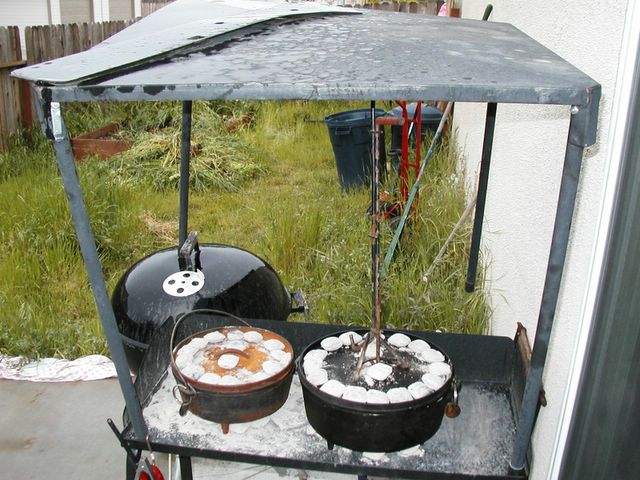
I baked the coffee cake Saturday afternoon under a light rain that was moving eastward into the mountains. To shelter the both ovens (I also baked a ham) from the moisture, I balanced my steel camp table between the Dutch oven table and Weber kettle grill.


I used an improvised shelter to keep the charcoal dry.

Everything worked great. Light rain and temperatures around 50 caused a cold spot in the Dutch oven. About one-third of the bottom half of the cake was raw. The portion of the cake that baked on the warm side was done.

CINNAMON APPLE COFFEE CAKE

The batter will be very stiff if mixing by hand. Sprinkle lemon juice over apples to prevent discoloration.


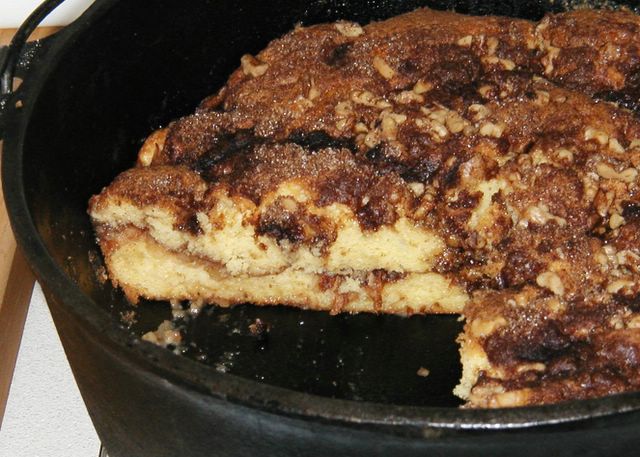
Cinnamon apple coffee caked baked inside a 12-inch Lodge Dutch oven. There's a layer of baked, shredded Granny Smith apples between the cake layers.

1 (18.25-ounce) package yellow cake mix
1 (5.1-ounce) package instant vanilla pudding mix
4 eggs
1 cup sour cream
1/2 cup butter or margarine, melted
4 medium tart apples, peeled and shredded
1 cup sugar
1/2 cup chopped walnuts
2 teaspoons ground cinnamon

In a mixing bowl, beat the cake mix, pudding mix, eggs, sour cream and butter on medium speed for 2 minutes. Pour half into a greased 12-inch Dutch oven. Top with apples. Combine the sugar, nuts and cinnamon; sprinkle half over the apples. Top with remaining batter and sugar mixture.

Bake at 350 degrees, using 8 coals under and 16 on lid, for 50-55 minutes or until a toothpick inserted near the center comes out clean. Cool on a wire rack. Makes 12 to 18 servings.

Monday, April 11, 2005

More Colusa Western Days Cookoff Photographs

Don Mason sent additional information on the Coluda Western Days Dutch Oven Cookoff photographs Saturday evening. I've updated the photographs on Saturday's post.

Here are three additional pictures.

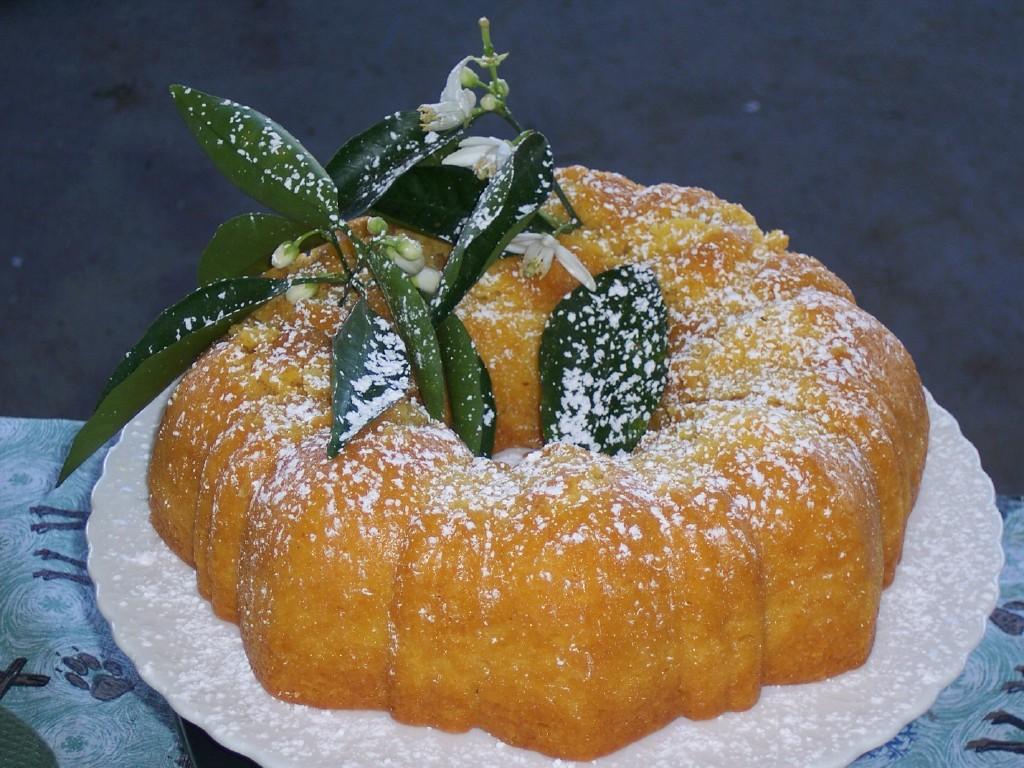
A lemon cake. This is an example a simple garnish. Some greenery with flowers and a dusting of powdered sugar is all that's needed. Most Dutch oven cookoff judges will take points for over garnished dishes.

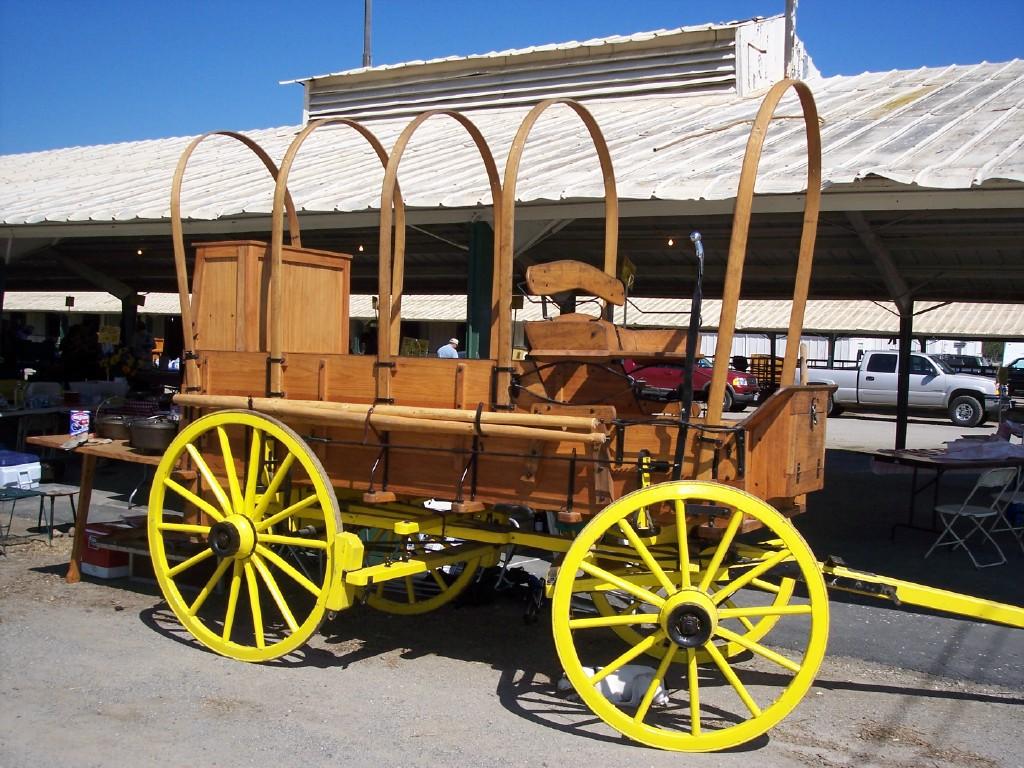
A restored chuckwagon from Charter Farms. The chuckwagon was located next to the pavillion that housed the cookoff.


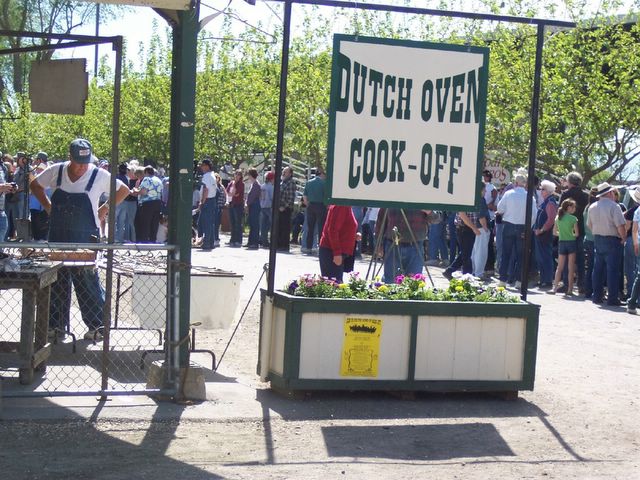
Any event needs something to draw crowds to the venue. The cookoff used the sign and an authentic chuckwagon.